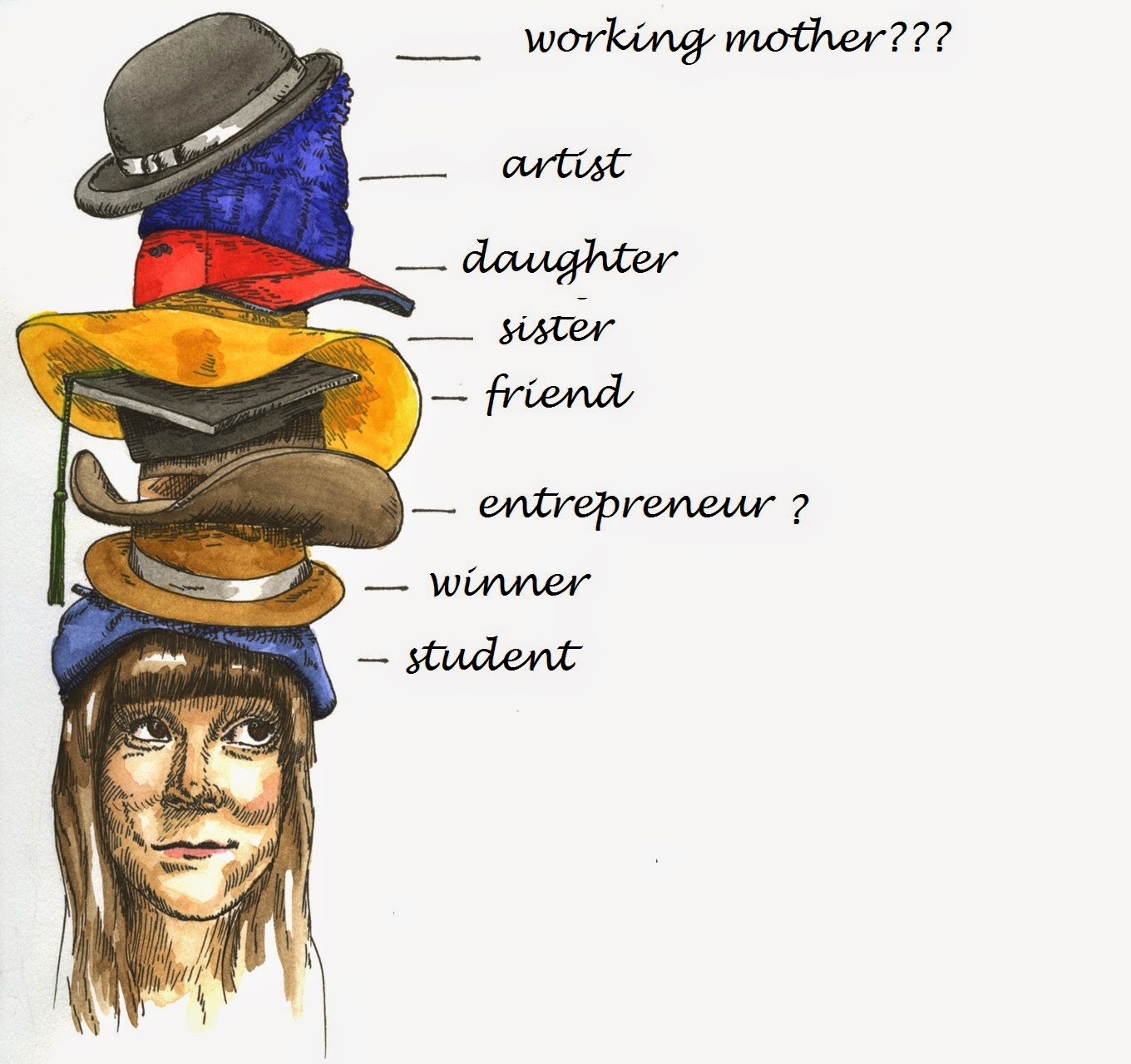
Today’s mothers, are better off than their own mothers were, and being a mother today is preferable to being one in the 1990s or before. It is indeed the Golden Age of Motherhood. Many women have more choices than men do.
The origin of motherhood dates back to two million years ago. Throughout our evolution, motherhood has been positioned within supportive social frameworks, allowing mothers to develop bonds with their infants while also being a productive member of the group.
It’s natural for mothers to work, gain a sense of personal identity beyond the private domestic roles. It’s natural for mothers to take care of children. What’s unnatural is for mothers to be the sole caretakers of children, not have more support. It takes a village to raise a child, a village of trained, loving, committed and passionate individuals.
 The issue of guilt often arises in my discussions with mothers about
balancing the pressures of work and childcare. This guilt takes roots
when you are unable to take action – actions that are in the very best
interest of your child. With a little help, we can uproot these forever.
The issue of guilt often arises in my discussions with mothers about
balancing the pressures of work and childcare. This guilt takes roots
when you are unable to take action – actions that are in the very best
interest of your child. With a little help, we can uproot these forever.
Children are sticklers for routines, and if this routine is set within the parameters of scientific data, your child is at a greater advantage. So while choosing a daycare for your child look for a place that allows them to explore, do more, learn more, laugh more, and be more. The companionship helps them to try new food, food which nourishes and helps boost the brain development. Young children are forming attitudes and behaviors that will influence them throughout their lives. It is important to expose them to experiences that foster their ability to make good health decisions, develop a positive self-image, make healthy nutrition choices, and show respect for their bodies.
Younglings are actively developing their sense of self and who they are in the world. It is important to have good teachers. Teachers create respectful and diverse learning environments, helping children understand the world they inhabit. Teachers also present unique experiences for children, enhancing a child’s sense of responsibility and compassion for people.
Artistic exploration encourages important skills such as creative thinking, adaptation, problem-solving, innovation, and follow-through. Teachers nurture children’s own artistic abilities and help them appreciate art in the broader world by engaging in diverse creative experiences.
Vocabulary expands from a few hundred words to a few thousand and word comprehension takes off during the preschool years. The programs and curriculum should provide children with opportunities to integrate listening, speaking, early reading, and writing into daily activities.
Whether they are counting how many marbles they have, fitting a cylinder into a circular hole, or asking for more milk, children are constantly using and experimenting with math concepts. Preschool teachers should create learning experiences that build math skills and reasoning so children can solve problems and use mathematics in real and meaningful ways.
The activities are woven together in the common tapestry of independence, for you and your child, so each can be a part of the community which brings out the best in you. For a working mother, it’s her workplace and for the child, well it’s his workplace too!
(Researched and written by Shivani Pujar)
The origin of motherhood dates back to two million years ago. Throughout our evolution, motherhood has been positioned within supportive social frameworks, allowing mothers to develop bonds with their infants while also being a productive member of the group.
It’s natural for mothers to work, gain a sense of personal identity beyond the private domestic roles. It’s natural for mothers to take care of children. What’s unnatural is for mothers to be the sole caretakers of children, not have more support. It takes a village to raise a child, a village of trained, loving, committed and passionate individuals.
Children are sticklers for routines, and if this routine is set within the parameters of scientific data, your child is at a greater advantage. So while choosing a daycare for your child look for a place that allows them to explore, do more, learn more, laugh more, and be more. The companionship helps them to try new food, food which nourishes and helps boost the brain development. Young children are forming attitudes and behaviors that will influence them throughout their lives. It is important to expose them to experiences that foster their ability to make good health decisions, develop a positive self-image, make healthy nutrition choices, and show respect for their bodies.
Younglings are actively developing their sense of self and who they are in the world. It is important to have good teachers. Teachers create respectful and diverse learning environments, helping children understand the world they inhabit. Teachers also present unique experiences for children, enhancing a child’s sense of responsibility and compassion for people.
Artistic exploration encourages important skills such as creative thinking, adaptation, problem-solving, innovation, and follow-through. Teachers nurture children’s own artistic abilities and help them appreciate art in the broader world by engaging in diverse creative experiences.
Vocabulary expands from a few hundred words to a few thousand and word comprehension takes off during the preschool years. The programs and curriculum should provide children with opportunities to integrate listening, speaking, early reading, and writing into daily activities.
Whether they are counting how many marbles they have, fitting a cylinder into a circular hole, or asking for more milk, children are constantly using and experimenting with math concepts. Preschool teachers should create learning experiences that build math skills and reasoning so children can solve problems and use mathematics in real and meaningful ways.
The activities are woven together in the common tapestry of independence, for you and your child, so each can be a part of the community which brings out the best in you. For a working mother, it’s her workplace and for the child, well it’s his workplace too!
(Researched and written by Shivani Pujar)

